Vehicle Fuel Consumption Research

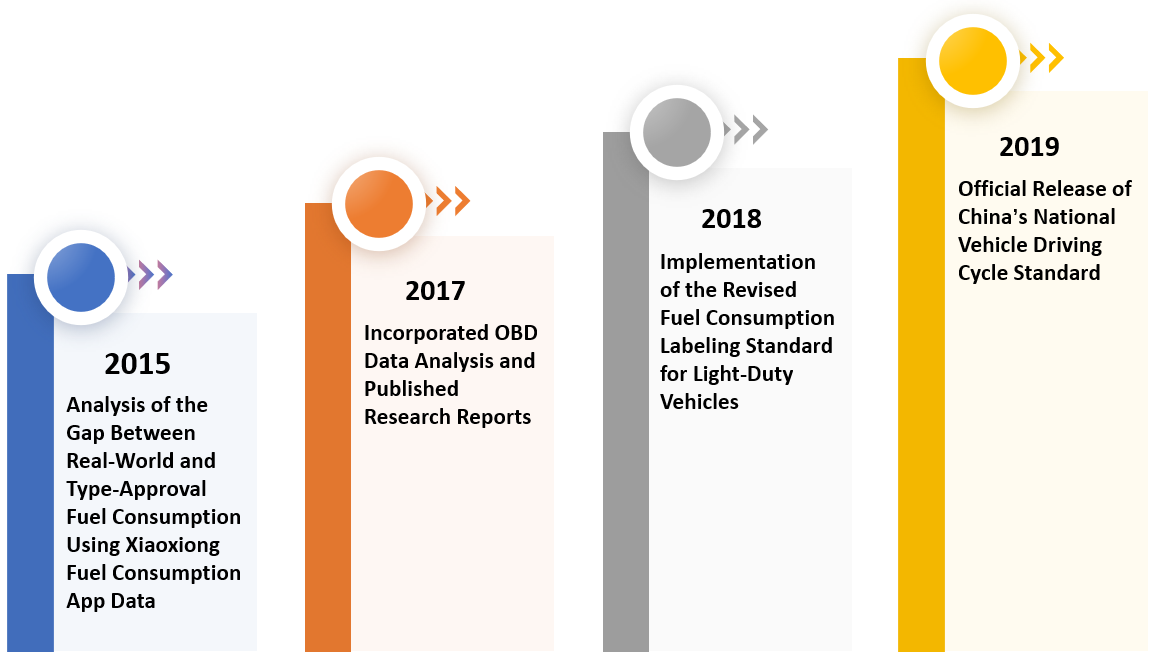
Since 2015, in collaboration with platforms such as Xiaoxiong Youhao (Fuel Consumption) and Zhijiaxing, iCET has been analyzing real-world fuel consumption performance of in-use vehicles based on massive real-world driving data from users, considering multiple dimensions such as vehicle category, vehicle technology, vehicle age, and region. Using the difference between real-world fuel consumption and laboratory-certified fuel consumption as a key indicator, the research identifies specific factors contributing to increased fuel consumption and proposes recommendations for reducing real-world vehicle fuel consumption.
This research series represents the earliest big-data-based study on real-world fuel consumption of in-use vehicles conducted in China and has had a significant impact in academia, industry, and among consumers. The research on in-use vehicle fuel consumption has enhanced the understanding of real-world vehicle fuel consumption data among research institutions, the industry, and the public, clarified the limitations of existing laboratory test cycles, and further promoted the updating of automotive fuel consumption labels as well as the development and application of the China Light-Duty Vehicle Test Cycle (CLTC).
Live-Cycle Methodology
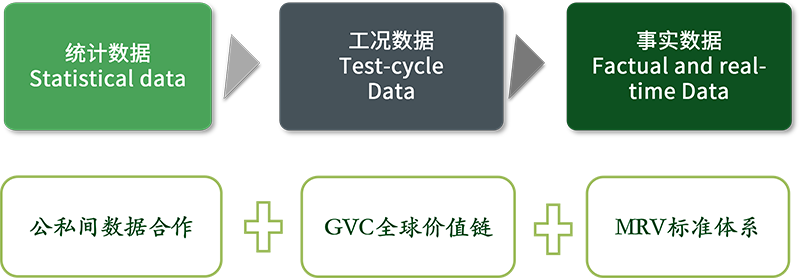
iCET has established an open Live-Cycle methodology, which involves developing a comprehensive MRV (Monitoring, Reporting, and Verification) standard and a sustainability quantitative indicator system for the transportation industry within the framework of the Global Value Chain (GVC) by applying big data, and establishing an open data research cooperation platform.
On December 9, 2015, at the UN Climate Change Conference (COP21) in Paris, a project titled "Transport in the Era of Big Data: Developing Big Data Research for Urban Transport Systems by Applying the Live-Cycle™ Framework Methodology" was launched, with Chengdu as a pilot city. This initiative aims to promote the quantification and dissemination of the "sustainability" concept through big data and GVC research.
China Urban Transport Emission Calculator (CUTEC)
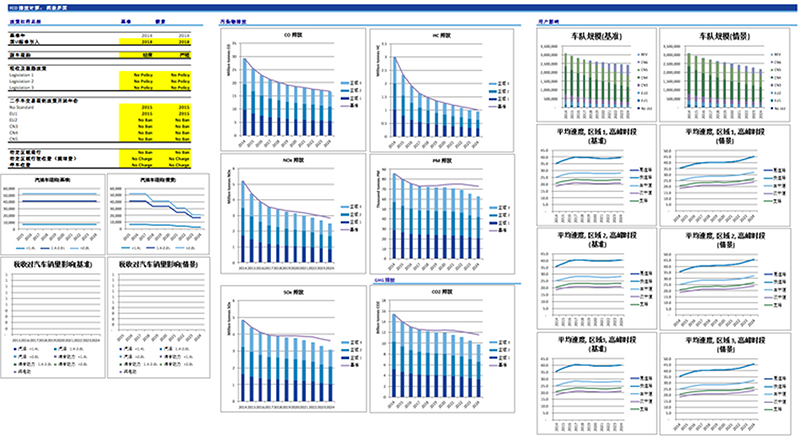
The China Urban Transport Emission Calculator (CUTEC) was co-developed by iCET and E4tech in 2015. It is designed to help urban decision-makers formulate more effective transportation policies and planning measures to achieve the ultimate goals of reducing urban transport carbon emissions and improving air quality (including reductions in CO, HC, PM2.5, NOx, CO2, SOx, and PM10).