Data-Based Fuel Use and Emissions Analysis

Passenger Vehicles
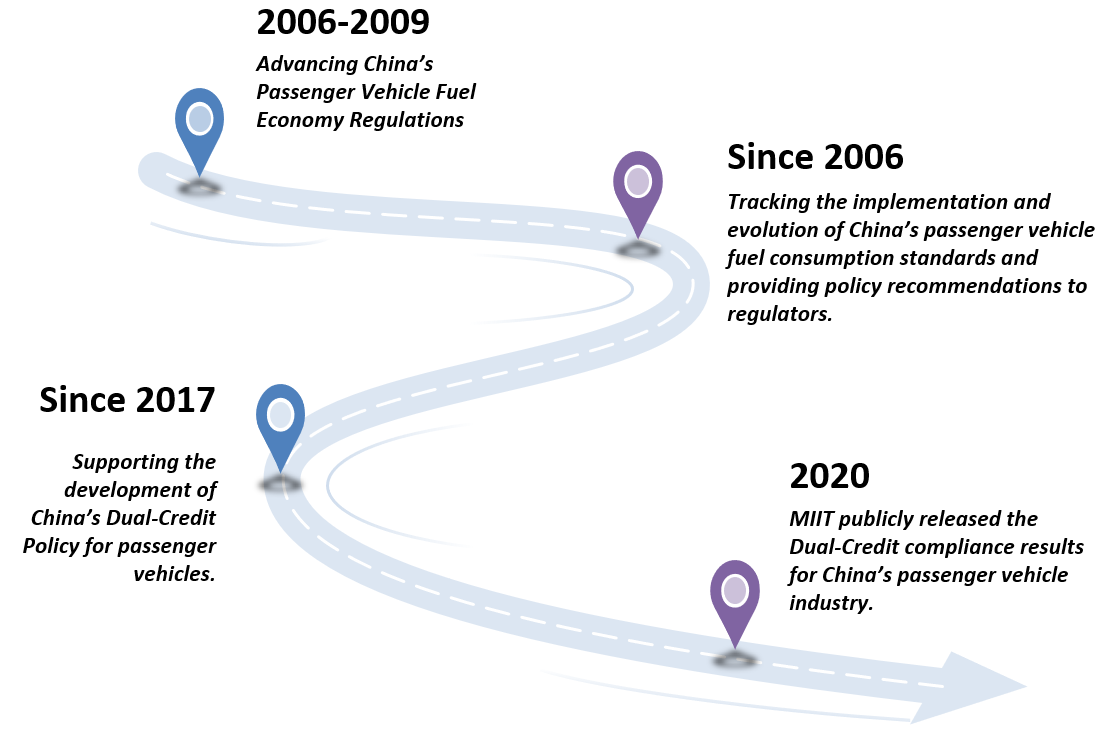
Passenger vehicles account for over 80% of the vehicle fleet and consume nearly 95% of gasoline. Reducing passenger vehicle fuel consumption is a critical issue for the global automotive market. Over the two decades of iCET's development, it has maintained a close focus on researching passenger vehicle fuel consumption trends. iCET is also the only non-governmental organization in China involved in the construction and implementation evaluation of China's passenger vehicle fuel economy standard system.
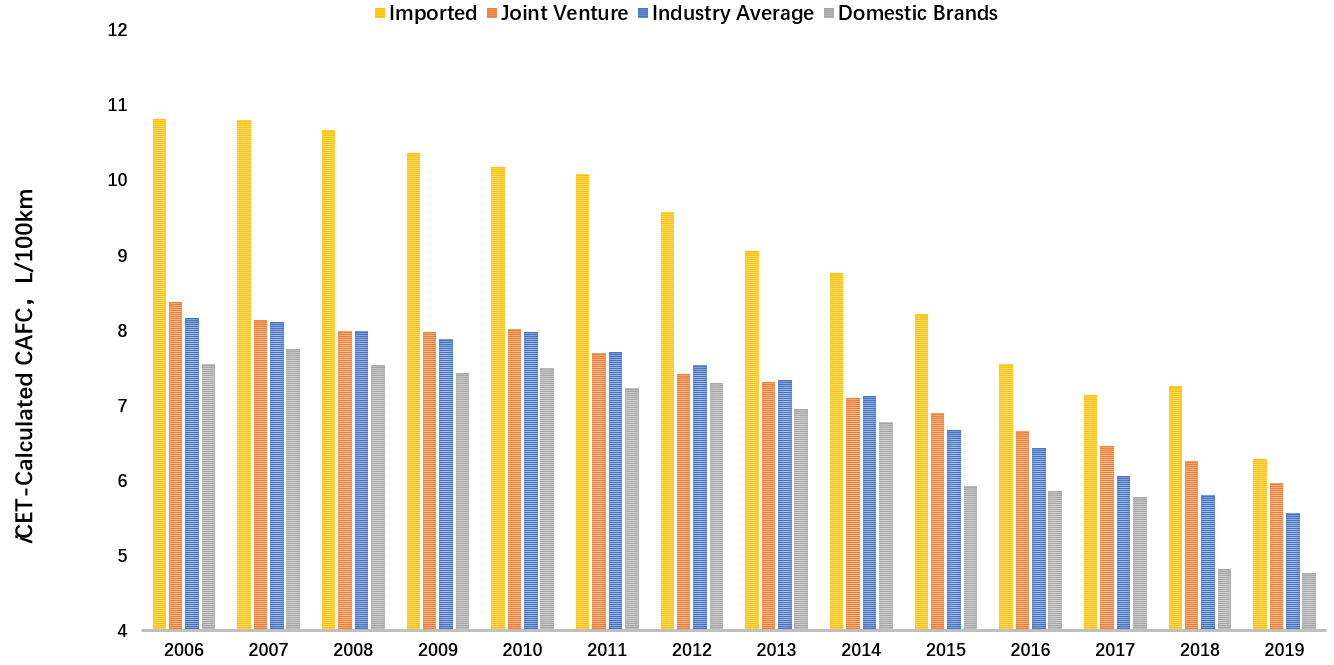
To balance market demands and more scientifically promote progress in passenger vehicle fuel consumption, the Corporate Average Fuel Consumption (CAFC) target evaluation system has been implemented since 2012, serving as an important indicator for measuring fuel economy improvement among passenger vehicle enterprises.
In tracking and researching the implementation of China's passenger vehicle fuel consumption standards, iCET has established a comprehensive historical database, providing detailed data references for the government, industry, and enterprises.
Commercial Vehicles
As means of production, commercial vehicles play an important role in national economic development. Although they only account for 12% of China's motor vehicle fleet, they contribute 55–60% of carbon emissions. Reducing commercial vehicle emissions is one of the important efforts toward China's "Dual Carbon" goals. Compared with countries such as the United States, Europe, and Japan, China's energy consumption management for commercial vehicles started relatively late. After nearly two decades of development, China's commercial vehicle energy consumption management has made significant progress, gradually approaching or even reaching internationally advanced levels.
In 2019, when the Phase III fuel consumption limits for light-duty and heavy-duty commercial vehicles were implemented, iCET analyzed the evolution of commercial vehicle fuel consumption between 2014 and 2018 based on different vehicle categories, providing important references for commercial vehicle fuel consumption management. The research revealed that under conditions of limited introduction of new energy vehicle models, traditional energy-saving technologies (including engines, aerodynamics, complete vehicles, drivetrains, tires, hybrid technology, and off-cycle measures) remain important technical options for saving energy and reducing consumption in commercial vehicles.